
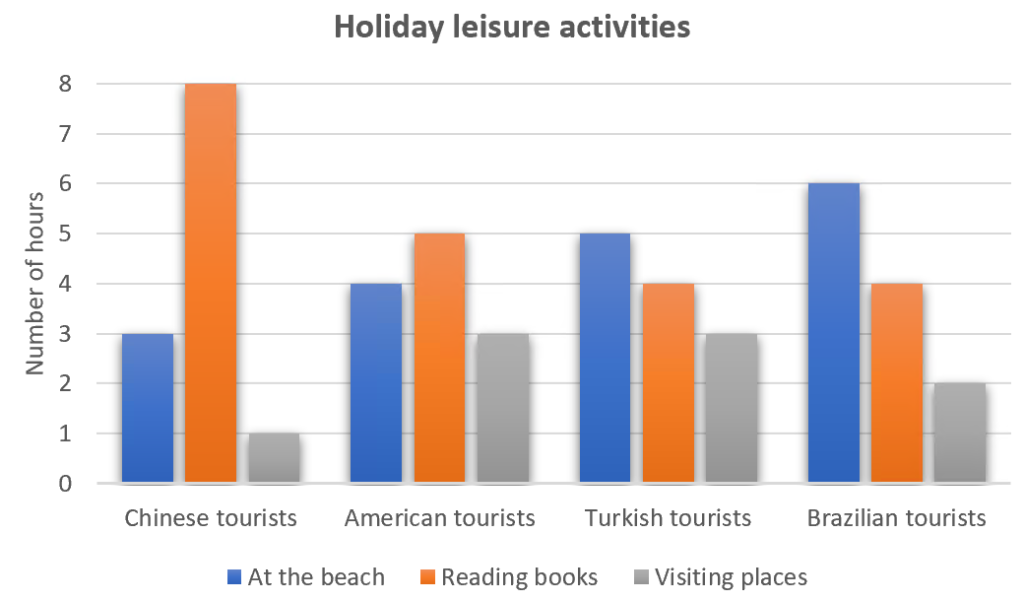
The chart shows the average number of hours each day that Chinese, American, Turkish and Brazilian tourists spent doing leisure activities while on holiday in Greece in August 2019.
Model answer by Lifestyle Training Centre
The bar chart illustrates how tourists from China, the USA, Turkey, and Brazil spent their time on various recreational activities during their holidays in Greece in August 2019, showing the average number of hours spent on each activity per day.
Overall, visiting places was the least preferred activity among all four nationalities. In contrast, Chinese tourists dedicated a significant amount of time to reading books, more than any other group.
Delving into the details, both Chinese and American tourists prioritised reading books over other activities during their holidays in Greece. Chinese tourists spent an average of 8 hours per day reading, while Americans devoted 5 hours. In terms of sightseeing, both nationalities spent relatively little time—Chinese tourists averaged just 1 hour per day, and Americans 3 hours. In addition, the Chinese dedicated 3 hours per day to spend at beach, while Americans extended it to 4.
Turkish and Brazilian tourists displayed a similar pattern in how they spent their leisure time. Turkish visitors spent an average of 5 hours per day at the beach, while Brazilians spent slightly more, at 6 hours. Both groups allocated 4 hours daily to reading books. As for visiting places, Turkish tourists spent an average of 3 hours per day, while Brazilians spent slightly less, at 2 hours.
Vocabulary & Sentence Structure Analysis for IELTS Writing Task 1
📊 Task Overview
Topic: Time spent by tourists from China, USA, Turkey, and Brazil on recreational activities in Greece (August 2019).
Format: Bar chart.
Focus: Daily average hours on each activity.
📘 High-Level Vocabulary with Meanings
| Word/Phrase | Part of Speech | Meaning | Techniques Used |
|---|---|---|---|
| Illustrates | Verb | Clearly shows or explains something using visuals | Formal academic verb used to introduce visual data |
| Tourists | Noun | People who travel for pleasure | Context-specific noun (travel theme) |
| Recreational activities | Noun phrase | Leisure or fun activities done during free time | Formal, task-appropriate phrase |
| Overall | Linking adverb | Used to summarise main findings | Cohesive device for general trends |
| Least preferred | Adjective phrase | Chosen or liked the least | Comparative, evaluative vocabulary |
| In contrast | Linking phrase | Used to show a strong difference | Contrastive connector for clarity |
| Dedicated | Verb | Devoted time or effort to a particular activity | Strong verb to replace “spent” |
| Significant | Adjective | Noticeably large or important | Formal descriptor for highlighting data differences |
| Delving into the details | Phrase | Exploring data more deeply | Idiomatic phrase to transition into specifics |
| Prioritised | Verb | Chose something as more important | High-level verb showing focus |
| Averaged | Verb | Had an average of | Concise statistical expression |
| Relatively | Adverb | In comparison with others | Shows proportional analysis |
| Displayed a similar pattern | Phrase | Followed a comparable trend | Useful phrase for grouping data |
| Allocated | Verb | Set aside time or resources | Academic verb for data division |
| Sightseeing | Noun | Visiting places of interest | Topic-specific vocabulary |
| Slightly more/less | Adverbial phrase | A small degree of increase/decrease | Soft quantifiers for subtle differences |
✨ Sentence Structure & Writing Techniques
1. Introductory Sentence
The bar chart illustrates how tourists from China, the USA, Turkey, and Brazil spent their time on various recreational activities during their holidays in Greece in August 2019, showing the average number of hours spent on each activity per day.
✅ Techniques:
- Paraphrasing: “shows” → “illustrates”, “spent time” → “spent their time on various recreational activities”
- Complex sentence: Joined with a non-defining relative clause (“showing…”)
2. Overview Sentence
Overall, visiting places was the least preferred activity among all four nationalities. In contrast, Chinese tourists dedicated a significant amount of time to reading books, more than any other group.
✅ Techniques:
- Cohesive devices: “Overall”, “In contrast”
- Superlative structure: “least preferred”
- Comparative emphasis: “more than any other group”
3. Detailed Comparison
Delving into the details, both Chinese and American tourists prioritised reading books over other activities during their holidays in Greece.
✅ Techniques:
- Transition to body: “Delving into the details”
- Parallel structure: “Chinese and American tourists”
- Verb choice: “prioritised” instead of “liked more”
4. Quantitative Support
Chinese tourists spent an average of 8 hours per day reading, while Americans devoted 5 hours.
✅ Techniques:
- Precise data: “8 hours”, “5 hours”
- Contrast connector: “while”
- Strong verbs: “devoted” enhances academic tone
5. Balanced Data Reporting
Turkish and Brazilian tourists displayed a similar pattern in how they spent their leisure time.
✅ Techniques:
- Grouping: Makes the report concise
- Synonym use: “leisure time” for “holidays”
6. Subtle Differences
Brazilians spent slightly more, at 6 hours.
✅ Techniques:
- Adverb qualifier: “slightly” to show nuance
- Elliptical phrasing: Implied comparison avoids repetition
7. Clear Topic Sentence
As for visiting places, Turkish tourists spent an average of 3 hours per day, while Brazilians spent slightly less, at 2 hours.
✅ Techniques:
- Topic-specific focus: “As for visiting places”
- Comparison structure: “while… slightly less”
🧠 Techniques Summary for IELTS Success
- ✔ Paraphrase the question using formal verbs (e.g., illustrate, compare, present).
- ✔ Use topic-specific vocabulary (e.g., sightseeing, leisure, recreational).
- ✔ Include data with precise figures.
- ✔ Use connectors to link ideas (e.g., however, in contrast, overall, while).
- ✔ Group similar data to avoid repetition.
- ✔ Use academic tone with verbs like dedicate, prioritise, allocate.
- ✔ Introduce variation in comparative language (e.g., slightly more, relatively little, significantly).
IELTS Academic Writing Task 1 Types
Explore and prepare for different chart types used in IELTS Task 1
IELTS Bar Charts
Understand how to interpret and describe bar charts in task 1.
IELTS Pie Charts
Learn the techniques for describing pie charts in detail.
IELTS Line Graph
Get tips on how to describe trends using line graphs.
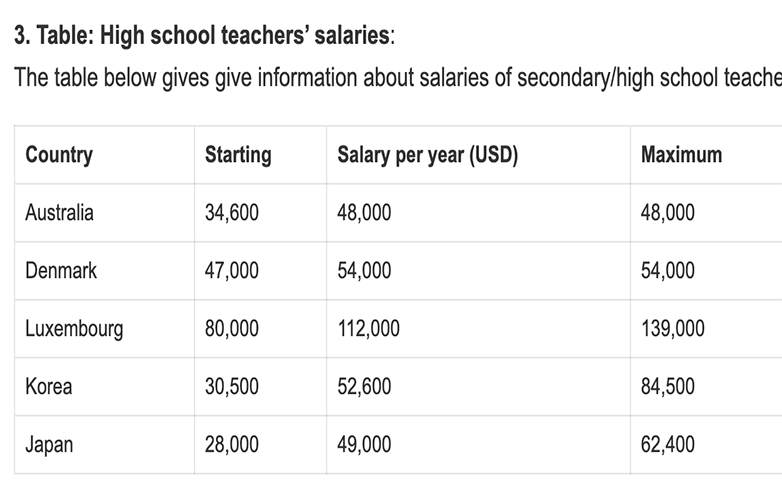
IELTS Table
Master the skills to describe tables in academic writing.
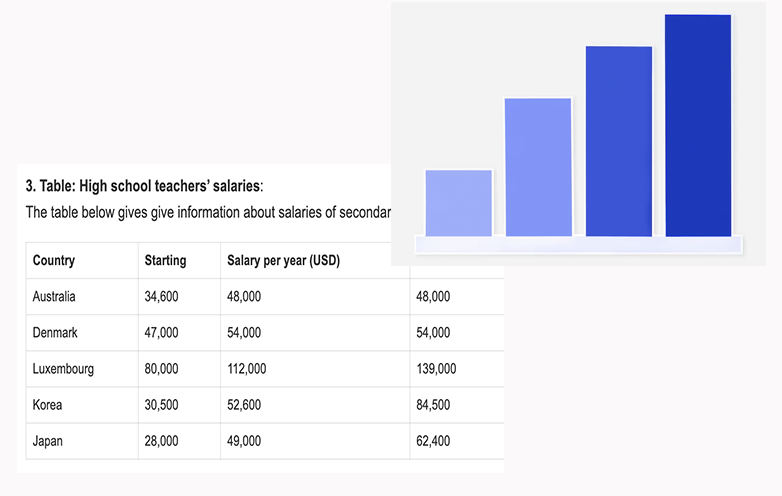
IELTS Bar Chart + Table
Learn how to combine bar charts with tables in task 1 responses.
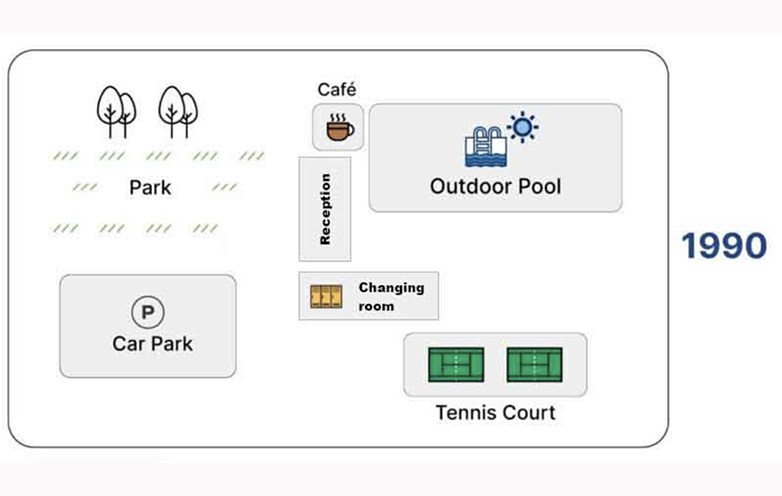
IELTS Maps
Explore how to describe maps and geographical changes.
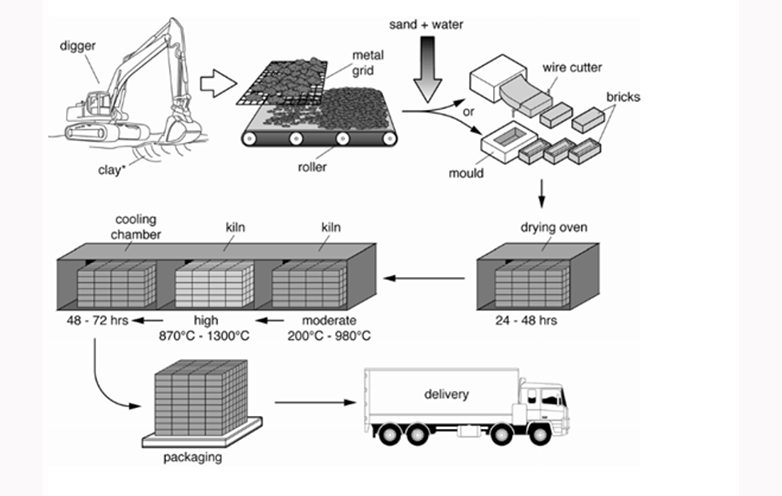
IELTS Process Diagram
Understand how to write about process diagrams step by step.
IELTS Bar Chart + Line Graph
Learn how to integrate bar charts with line graphs.
IELTS Bar Chart + Pie Chart
Master combining bar charts with pie charts in task 1.
Free admission and English Courses. കാശ് കൊടുക്കാതെ അഡ്മിഷൻ. FREE ഇഗ്ലീഷ് കോഴ്സുകൾ. ഈ ഓഫർ നേടൂ. Contact us at +91 9886926773 പ്രോസസ്സിംഗ് ആയാസകരം.

Speak English with Pride – Not Hesitation! Join Our Intensive Batch – Fluency, Accent & Confidence in 1 Month. Starts Feb 17 | Call/WhatsApp: +91 9886926773 Now. #fluency #accent #English

Ready to study abroad or master OET, PTE, IELTS, Duolingo, Phonetics, or Spoken English?
📞 Call us now at +91 9886926773
📱 Call/WhatsApp/Text: +91 9886926773
📧 Email: mail@goltc.in
Visit us in person by following the directions on Google Maps. We look forward to welcoming you to the Lifestyle Training Centre.
Follow Lifestyle Training Centre on social media:
Thank you very much!